
Walking into Our Better Selves
The power of the Urban stroll

I am reading this fascinating book about the natural history found in old, urban areas. So far, it has been a delightful surprise to discover, through the burgeoning curiosity of one man, how native plants and animals tenaciously exist among us city dwellers: in back lots, within grubby, impromptu tree lines at the edges of parking lots, or nesting quite comfortably in old abandoned buildings. Questions arise. Many questions arise. About cities and their function, about urban planning, about the all important notion of deliberately and carefully ‘greening’ a city and what that might entail. It has opened up a few rooms in my own mind where I have never been before. It’s a great, expanding feeling, all these sudden whys and wherefores concerning natural history in a man made place.
Today there came another notion to ponder. Not so much about the nature hidden within a city’s bones, but the very city itself. What is it for? Are there other layers of meaning and mystery in addition to the presence of flora and fauna constantly pushing at the edges, seeking entrance and a place among us? Are there other hidden things present as you walk the streets of a city that you begin to see and then through the habit of seeing, deliberately search for? Does a kind of poetry, philosophy, or artistic sensibility exist among all those ‘transactional’ buildings and malls and industrial yards? Can these things be awakened in us as we walk a city? Is there, in addition to a natural history of empty lots, a “poetic history” of big cities also hidden in plain sight, if you know where to look and you ask the right questions. Mr. Brown mentions a movement that began in France in the early 1900’s called “psycho-geography” - books were written in this theme to“give you a tool kit for hacking how you move through a city and experience the way it communicates with you.” A city should be much more than transactional; more than the drive to work, the car line stop for coffee, the buying of toilet paper and cleaning supplies at the local Walmart, the dentist, the doctor, and safely back again to the cul de sac. Though cities are built for this convenience, this physical and practical transaction, they are built for so much more - or should be.
The artistic history of a city should be ‘built in;’ a history sought and discovered simply to open our minds and imaginations, urging a blossoming of our rather dulled spirits and sensibilities. We should see the best of man, perhaps only growing now between the convenient cracks of asphalt like long dormant, poetic plants. There is nothing more convenient or soul crushing than a super highway. It’s a conundrum. But what if we stop and rethink our jaunts through the convenient, transactional places we live? If we sometimes go the long way, or take the route “that avoids highways” on our map quest, or wander down an old street from time to time - one we have never seemed to walk down in our many years of life, we become more human and in touch with our better selves. The same exact walk can give myriad impressions depending on what you are searching for. You, by necessity, go slower, start seeing things almost conjured up before your eyes. You often ask: how long has this been here? Why have I never seen it? And when you are finished walking, a successful outcome would be your sudden eagerness to record the experience with whatever your chosen art form may be: camera, journal, paints and brush. A city should inspire poetry in the men who live there. And the poetry is there underneath the steel, concrete convenience and beyond the strip mall. The humble city walk will open up worlds of this poetic man made wonder.
I find these thoughts so true. Surprisingly, it is the way I have taken without ever knowing I was doing it. Reading this chapter of Mr Brown’s book made me recall the many urban adventures Tony and I have taken in these later years. Edges of parks we thought we knew but which were always a surprise when we looked more carefully. Wandering through old, oak covered cemeteries and discovering the strange stone ‘log’ headstones that ended up being given to the members of a group called The Woodsmen of the World.
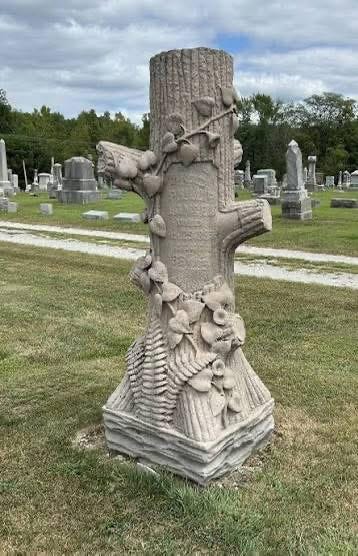
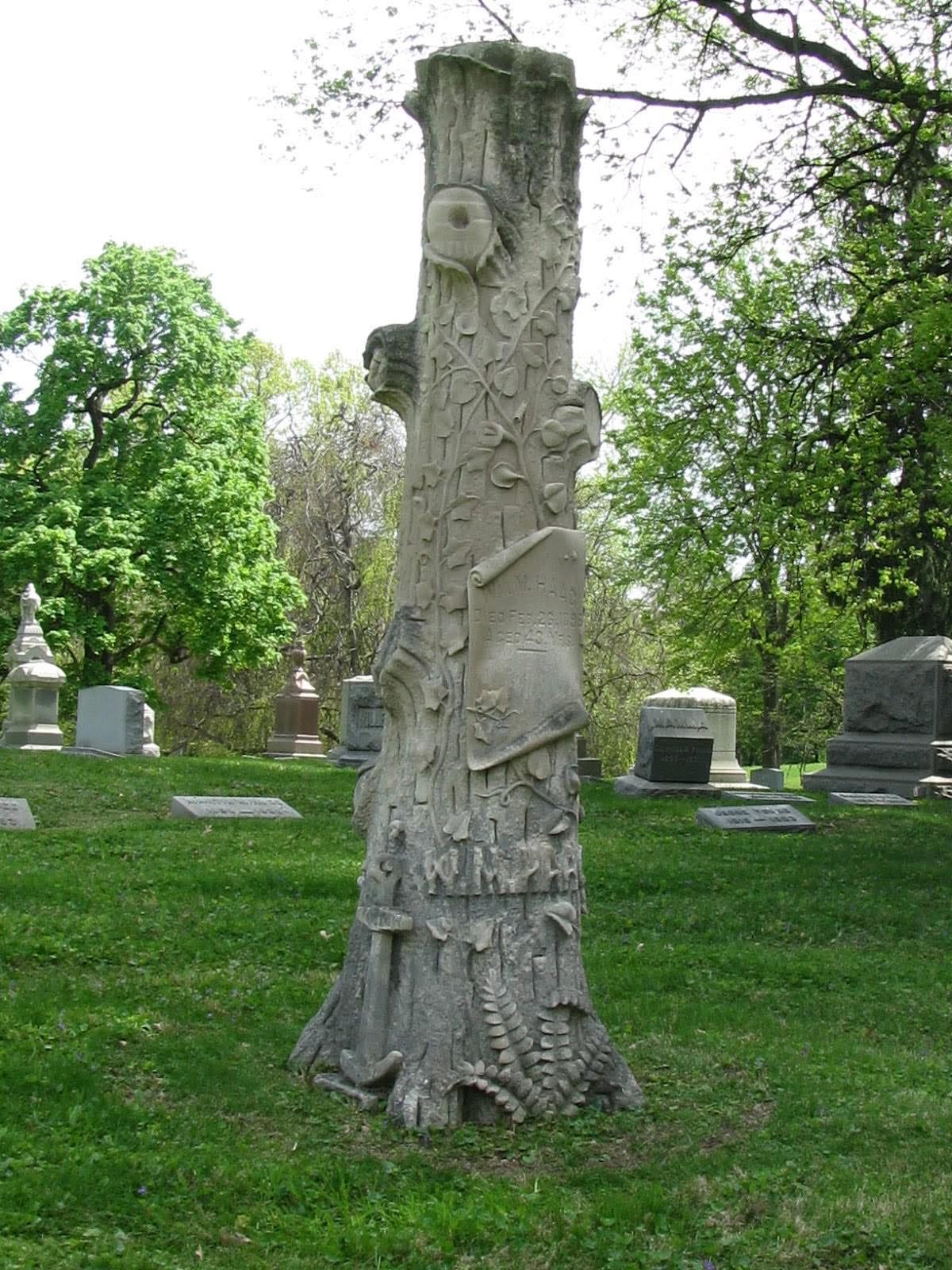
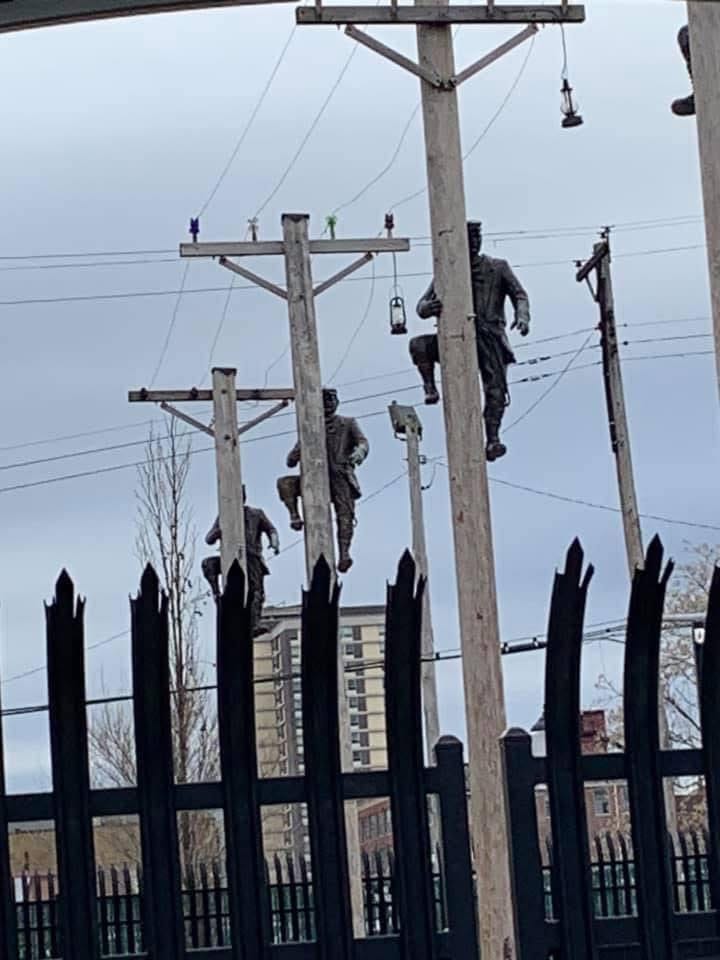
The logs took up a great deal of the landscape in the cemetery showing us not only the success of a business, but its generosity in providing the ‘insurance’ of a free headstone to its workers upon their deaths. Which makes sense if you are a life insurance company. There were statues outside the headquarters of the IEBW (International Brotherhood of Electrical Workers) union building honoring the men who “climbed the poles”. They’d been there for years surrounding the parking lot above us and climbing the side of the building. That such a union existed, and that these statues were there, came as quite a pleasant surprise. We simply discovered them because we decided to walk instead of drive through a neighborhood.
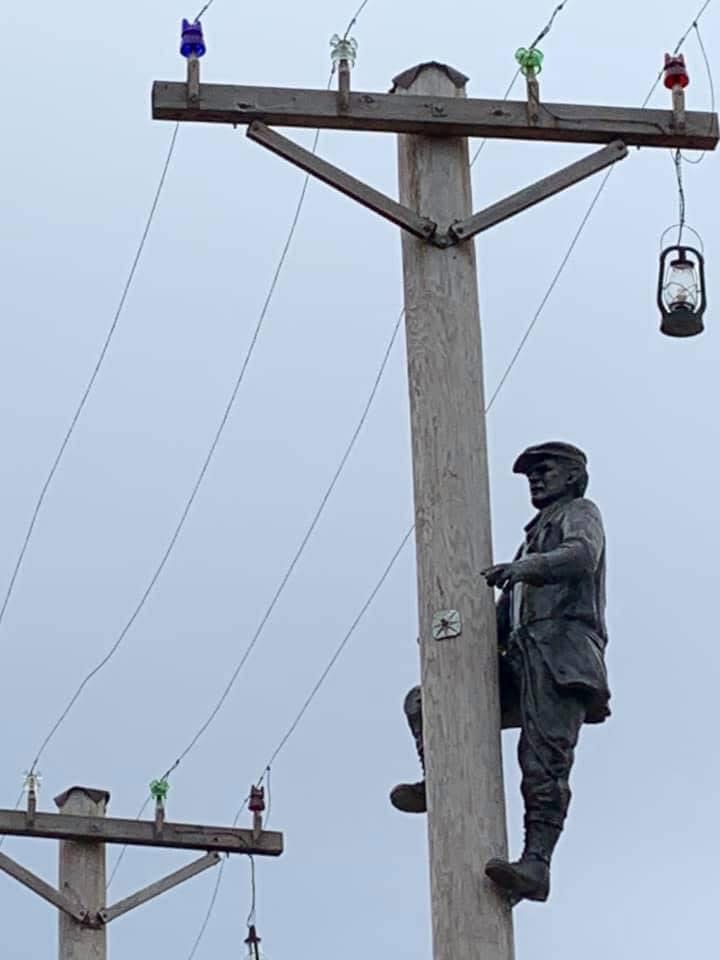
We wandered through all the parks for which our city shines like a light, and stopped to ponder the statues of generous philanthropists whose only goal was to give our city’s people something beautiful to look at. So many nooks and crannies discovered that made our walk home from an adventure steeped in an atmosphere of questions, awe, delight and humor. The city had spoken to our better selves. We had discovered its hidden, cultural bones. I captured it on film and with words.
There was one particular adventure I recalled with great fondness. A trucker friend had once told me there was a flower market hidden in the deep, industrial part of our city, where all the flower shops came in the early morning to buy their flowers. But he never had the chance to tell me where. Truckers are a WEALTH of information about obscure parts of a city - they drop their loads everywhere. And they are often urban philosophers of their own ilk. We decided to find that mysterious flower market.
I was chasing a feeling, really. An open flower market in Paris when I was 18. What a glorious feeling to be surrounded by roses, and every kind of bloom on a backstreet in the City of Romance as I tucked a bunch of carnations into my string bag next to the baguette. Sigh. When you are in your sixties you start remembering those beautiful little moments from your glorious, impressionable days! And you would like to feel them again. Admittedly, a Parisian flower market in the spring is a tall order to feel again in a midwestern American city, midway through a gray February. Undaunted, we found it after some investigation. My trucker friend was correct. It was tucked away in an old, industrial, run down section of town - like some sort of wholesale secret garden.
A young man named Harold answered our tentative knock on his door in one section of the market and ushered us in with panache. We said we were in search of flowers - lots of flowers - and he said, “Come on in! I’ll let you into the cooler!” He said those last two words with a proper mystery in his voice. Harold understood the drama of the thing. The cooler, as promised, ended up being quite the inner sanctum. Singing out an impromptu angel chorus (which was the moment I knew he was my spirit animal) Harold led us into his ‘market’. Flowers! Boxes, bags, containers, stacks and stacks of exotic wonder. Of every kind - from Holland, Ecuador, Santa Paula, CA! Mexico! Lined up to feast the eyes! Colors to bring life back into the greyest of winter imaginations. It was lovely!
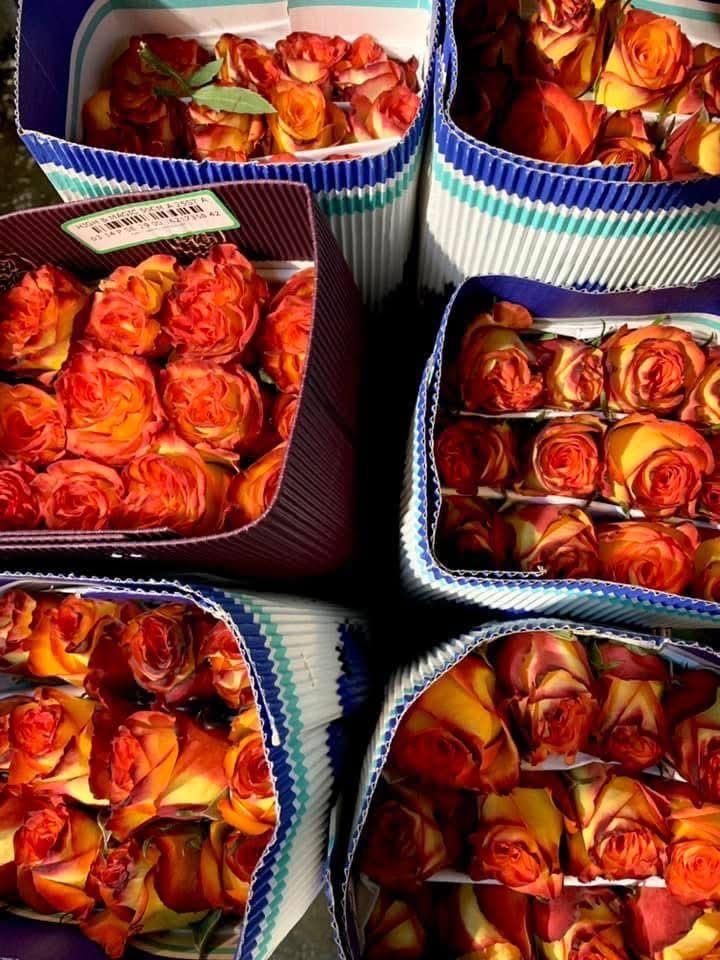
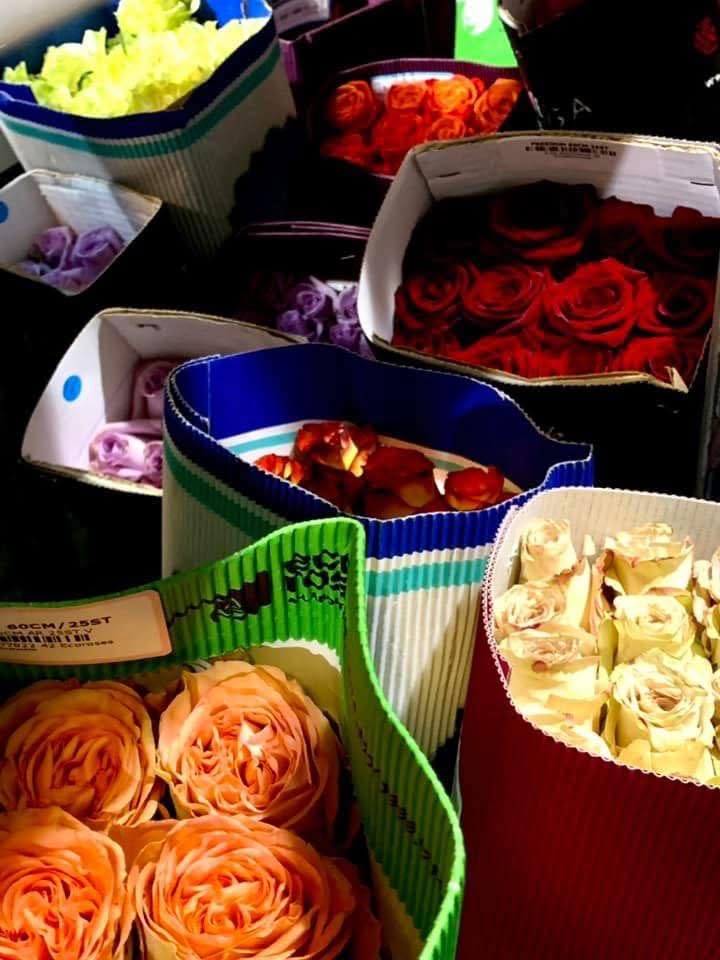
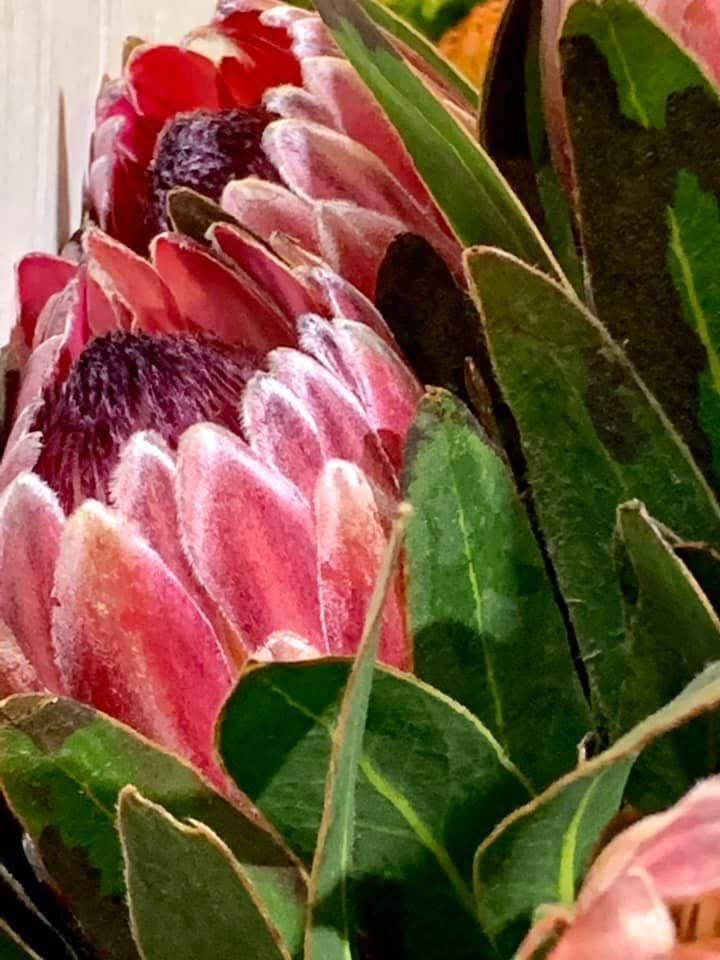
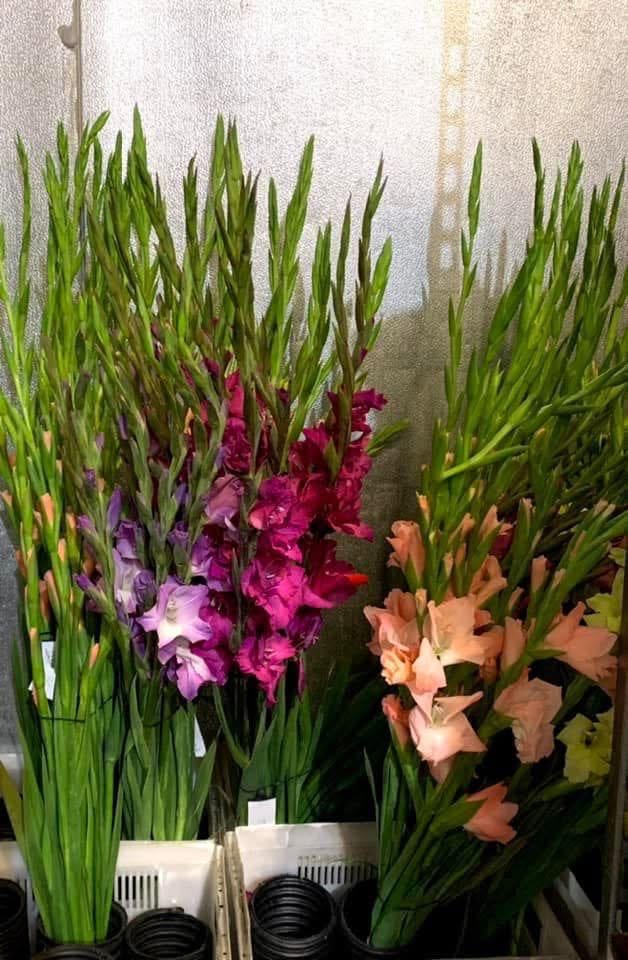
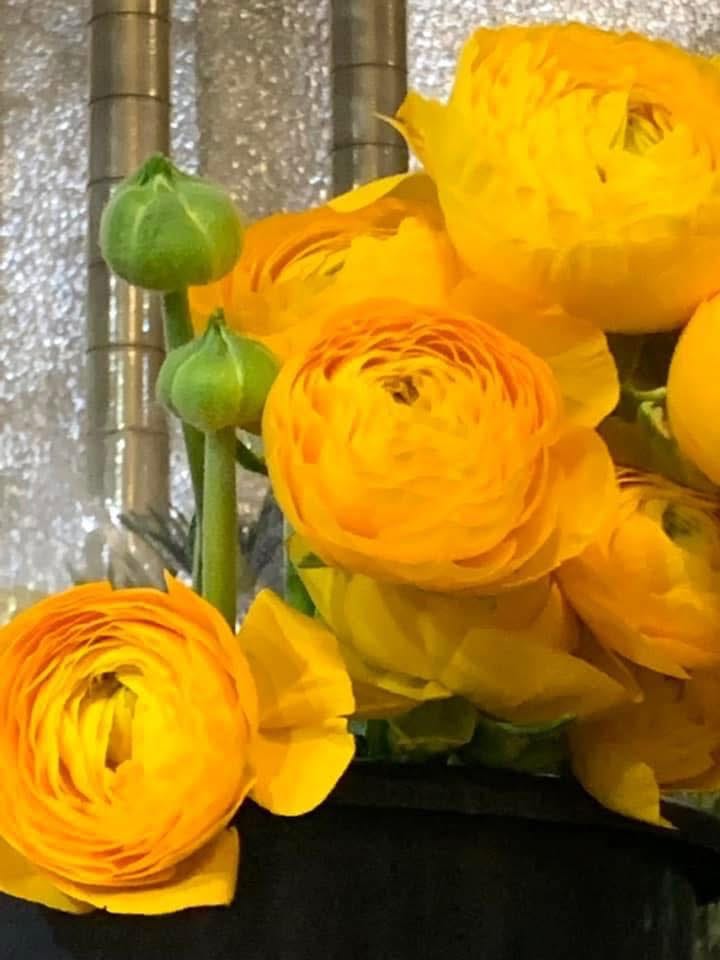
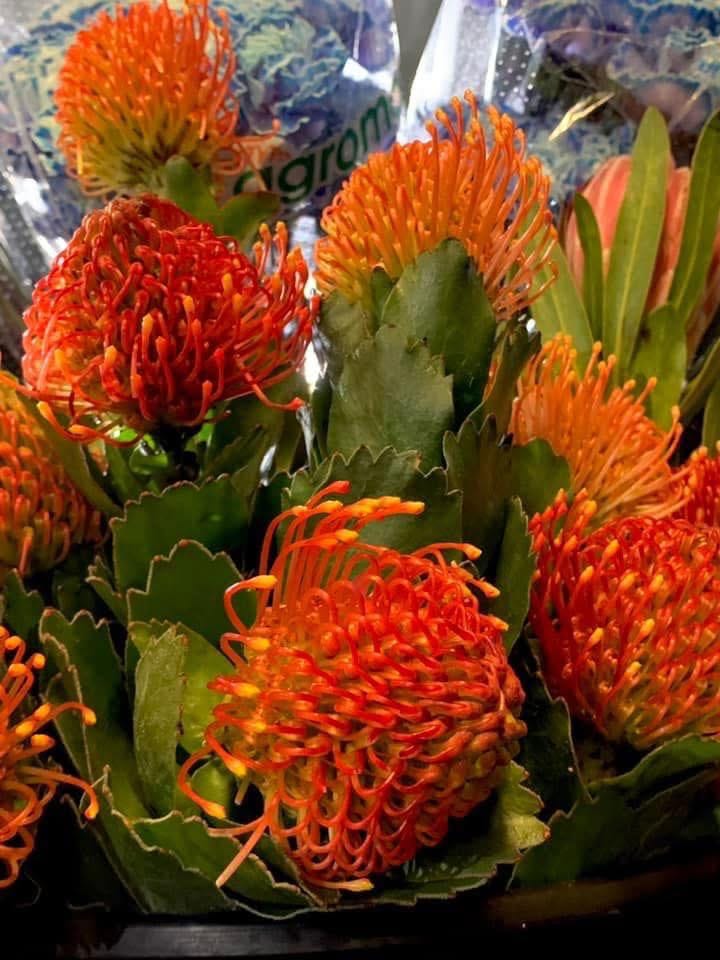
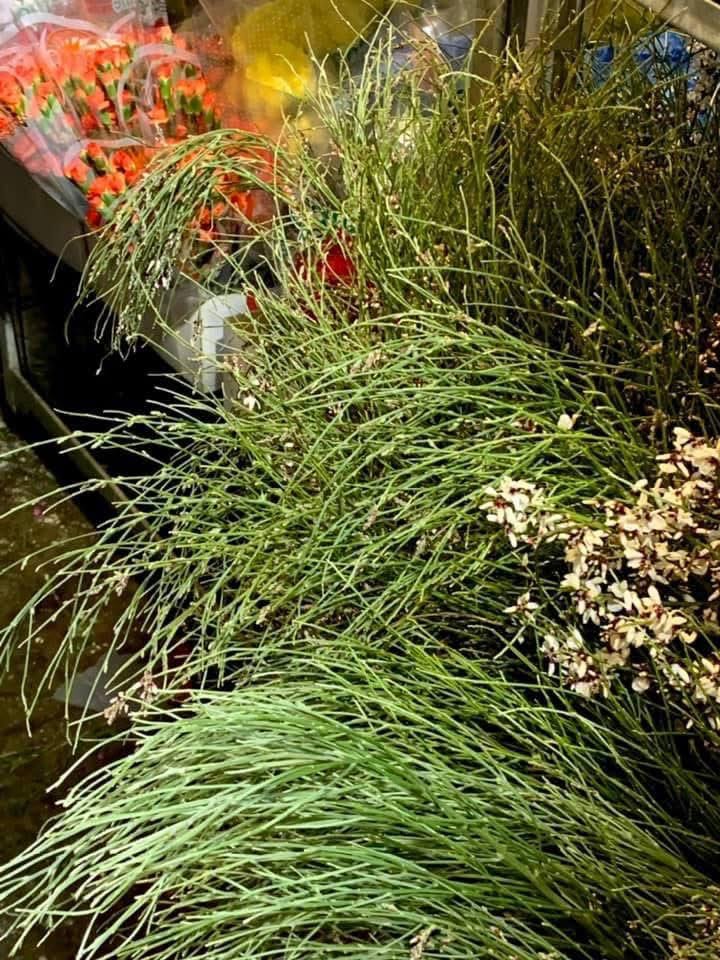
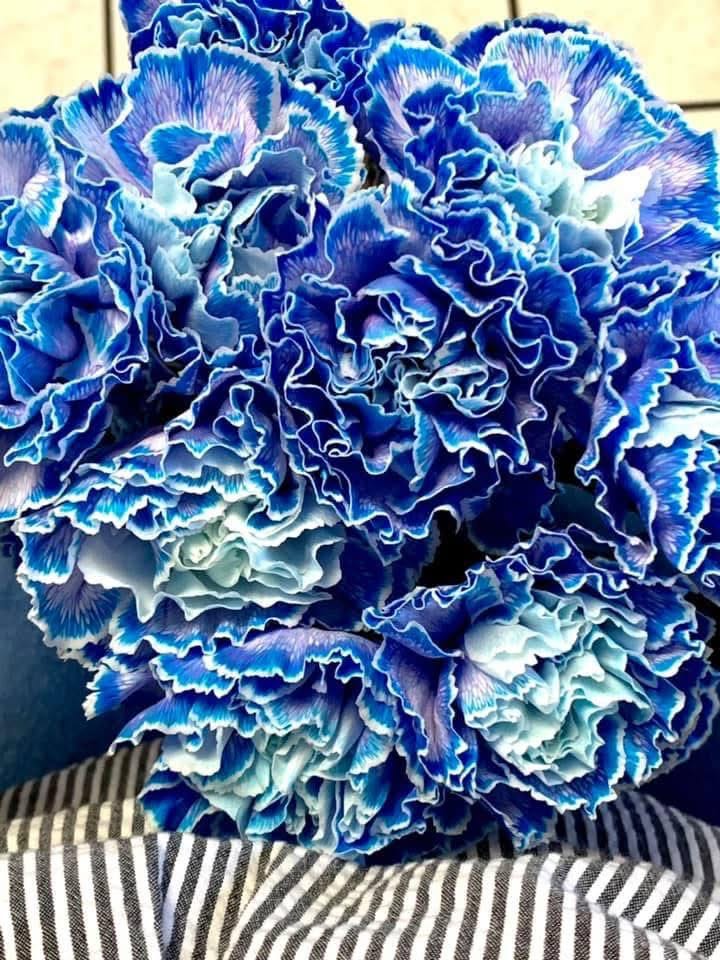
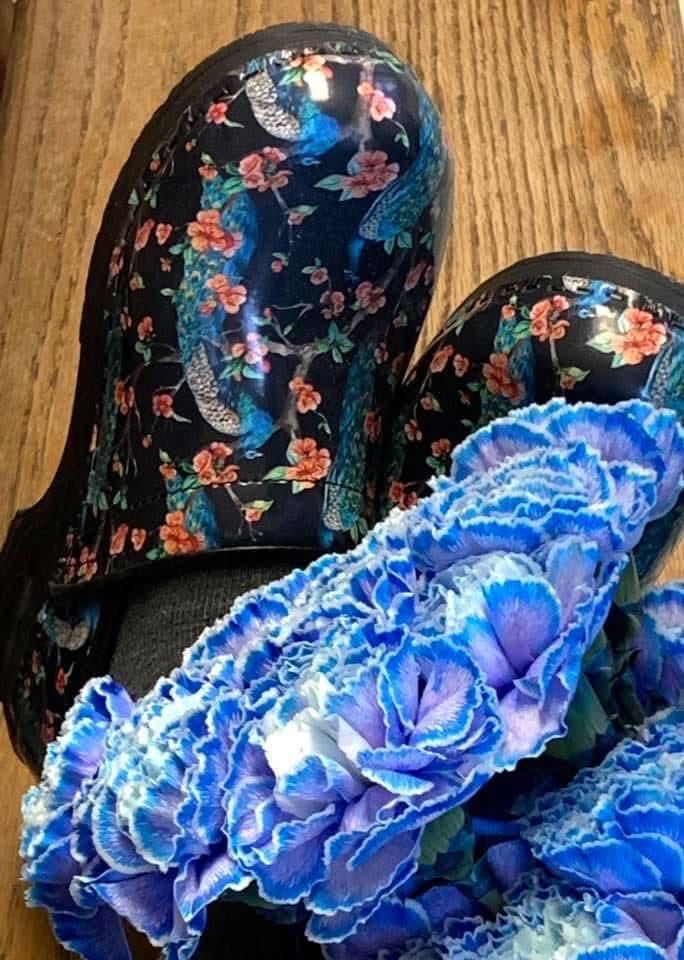
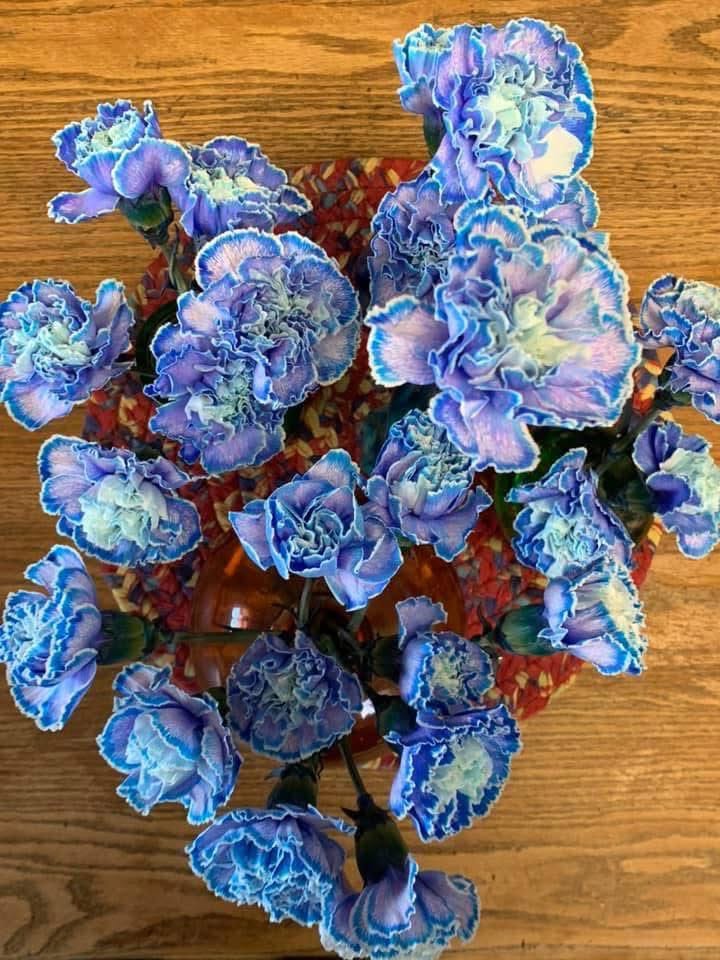
We picked a bouquet of blue carnations from Ecuador. Harold thought they went perfectly with my shoes. 😊 It was a wonderful 45 minutes. Not exactly the Parisian feels for which I was searching, but a different variation on a theme I guess you’d say. And there was also Harold with his own kind of cool, who made the trip as memorable as the flowers. My city suddenly seemed a secret, romantic place.
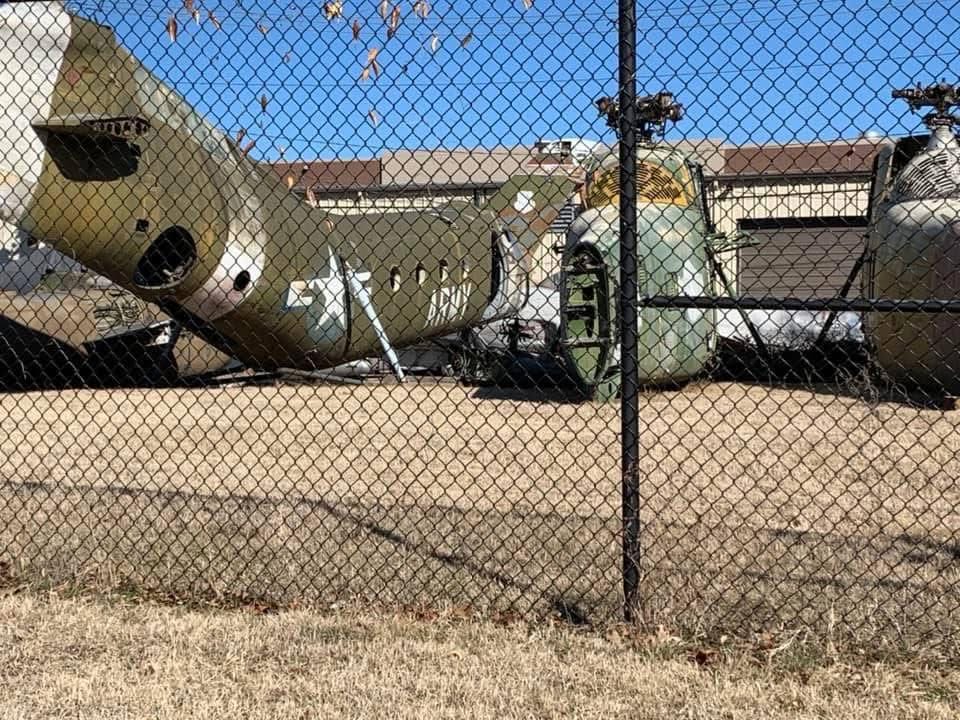
Tony had some unique romance of his own on that particular adventure. Up the street was a yard salvage place with fighter jets, helicopter parts, and old navy boats strewn inexplicably across an industrial lot that grabbed his interest. Who knew? What a terrific discovery. The collection of some avid flying machine buff.
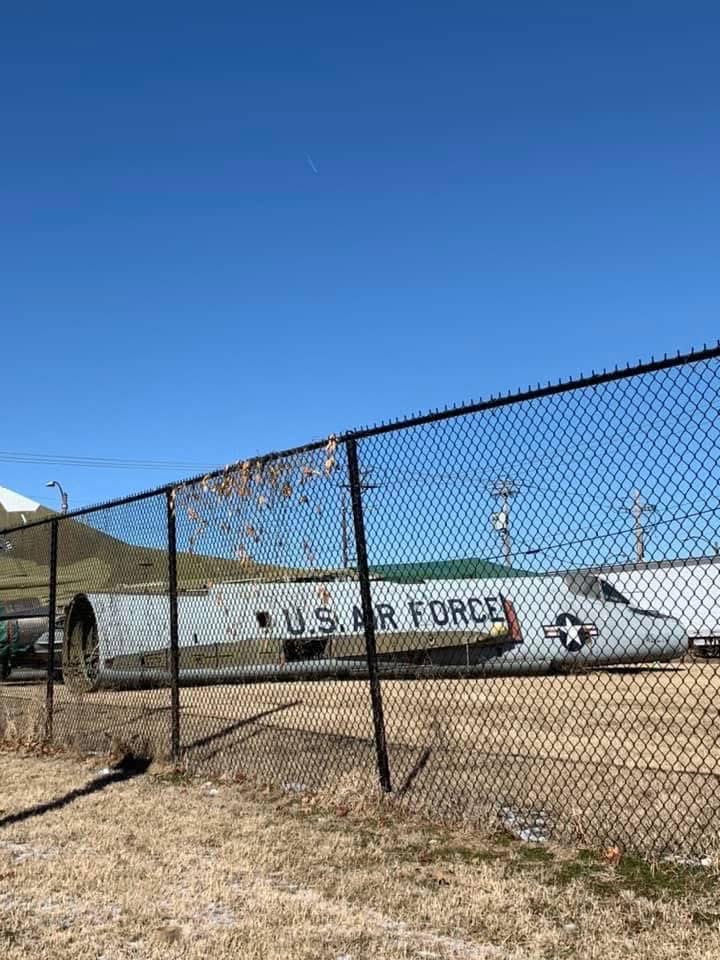
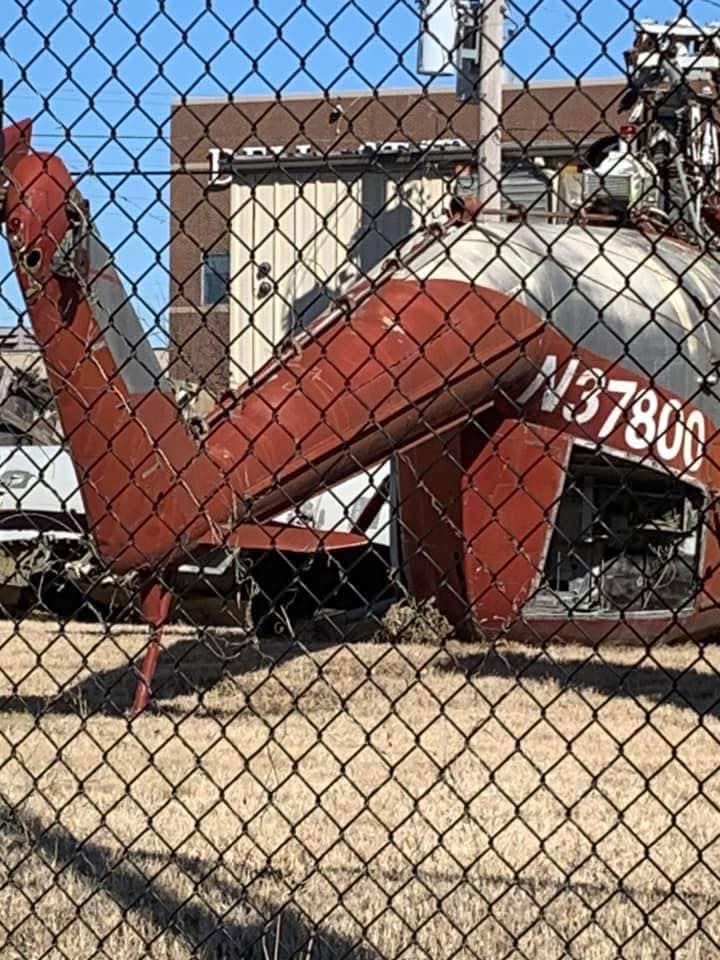
I was glad for this memory. I am glad for the mind expanding notions put before me by one Christopher Brown. There is still such mystery, poetry, and philosphy hidden in the plain sight of what seems on the outside a businesslike, transactional place only: things that inspire painting, journal entries of great, yet small, urban adventures and photographs of little wonders - merely to be had for the asking and a pair of walking shoes.
To see a city differently each time we choose a route or seek an adventure. We see what we want to see and we mostly find it. I discovered that this an intriguing way for a city dweller to take a walk - even in an industrial jungle - which can be as chock full of surprising romance, inspiration, and comfort as any country lane.
To cities! And the treasures they hold. Happy walking!
I do not feel inclined at this time to have a paid substack. But if we were together in a cafe discussing all these thoughts, I would not be opposed to you buying me a cup of coffee - with cream, of course. In that spirit, if any of my posts resonate with you and you feel so inclined, you can donate here: buymeacoffee.com/denise_trull
a flower market is always a treasure when found. I love the photos of all these treasures in this story. I once gave a workshop called "Sidewalks to treetops" to girl scouts in my community. We would go around the neighborhood searching for things of nature and discover their beauty. I now wish we had used a camera in this walks.
Why Denise, you have been walking in my own neighborhood. Walter Knoll Florist is next door to Harold's and on Saturdays every flower in the "cooler" is half priced. A particularly kind and knowledgeble florist, Jeffery, has been known to toss is a few free flowers to enhance my arrangement! Similar to the bouquet of marvelous images you provide for me with every essay.
Can't thank you enough. As Rick Steves, the travel guru, would advise: Keep on trucking!!!