
That Old Feeling

It was water that urged me to write. I heard it as a whisper lapping among the sticks and leaves clinging to the shore. I was perhaps ten or so. We had a cabin by a lake where we would spend long summers skiing, fishing, drinking Orange Crush and canoeing in the mysterious coolness of shaded coves. Much of the cabin’s atmosphere was laughter, jokes, and that particular cammeraderie that suddenly rises among brothers and sisters, so rigidly departmentalized by school and age every other time of the year, but now suddenly thrown together without distractions from the artificially imposed strictures of the outside world. It was as though we all re-discovered one another in those long, lazy days. It had its own cache. That is the glory of the family cabin.
But we also discovered ourselves. We all wandered alone sometimes up in the tree heavy hills or floated on lapping, lazy waves for hours and stared up at the sky dreaming our individual dreams.
I, myself, used to wake early and walk down by the shore of the lake all alone and wait for the sunrise to scatter itself on the water. It was the smell that bewitched me first. A pungeant, earthy fragrance of leaves, sticks, acorns, floating petals of flowers meeting water and succumbing to inevitable dying within its slow and rhythmic ways. It should not have been an attractive smell, this dying, but it was. It only existed at the lake. It added its magic to the spirit of the place and it filled me with - pathos. A ten year old. I could not name it, but it was there; a wistfulness that would not be assuaged, but most importantly, a wistfulness I did not want to be assuaged. I luxuriated in it. I was feeling the poetic. I could not name it, but I thought perhaps I should try. I bought a notebook and pen at the gift shop in town that year, and I attempted my first poem. Water had smiled upon me. I have loved it ever since.
Over my life, I have traveled to oceans, lakes, rivers. Each has offered abundant insights. But I have only smelled that particular pathos fully at my long ago lake. Sometimes on a walk when I chance upon a random pond, I almost capture it. The brief scent on the air fills me with a warm weight of memory that flies as soon as I try to keep it. One should always try to remember her first pathos - no matter how fleeting. It is the portal to the other land. The land of artists; artists who beckon us closer with the marvels they have brought home from their journey. It is a land to which we all must travel if we be writers.
I lost the scent of pathos over these last few years. I had lovely memories, and thoughts were kindly given to me by a gracious God. I experienced sadness, exuberance surely, and joy, but I had not felt that sudden childhood warmth of mystery in a very long time. I had almost forgotten it. But it had not forgotten me.
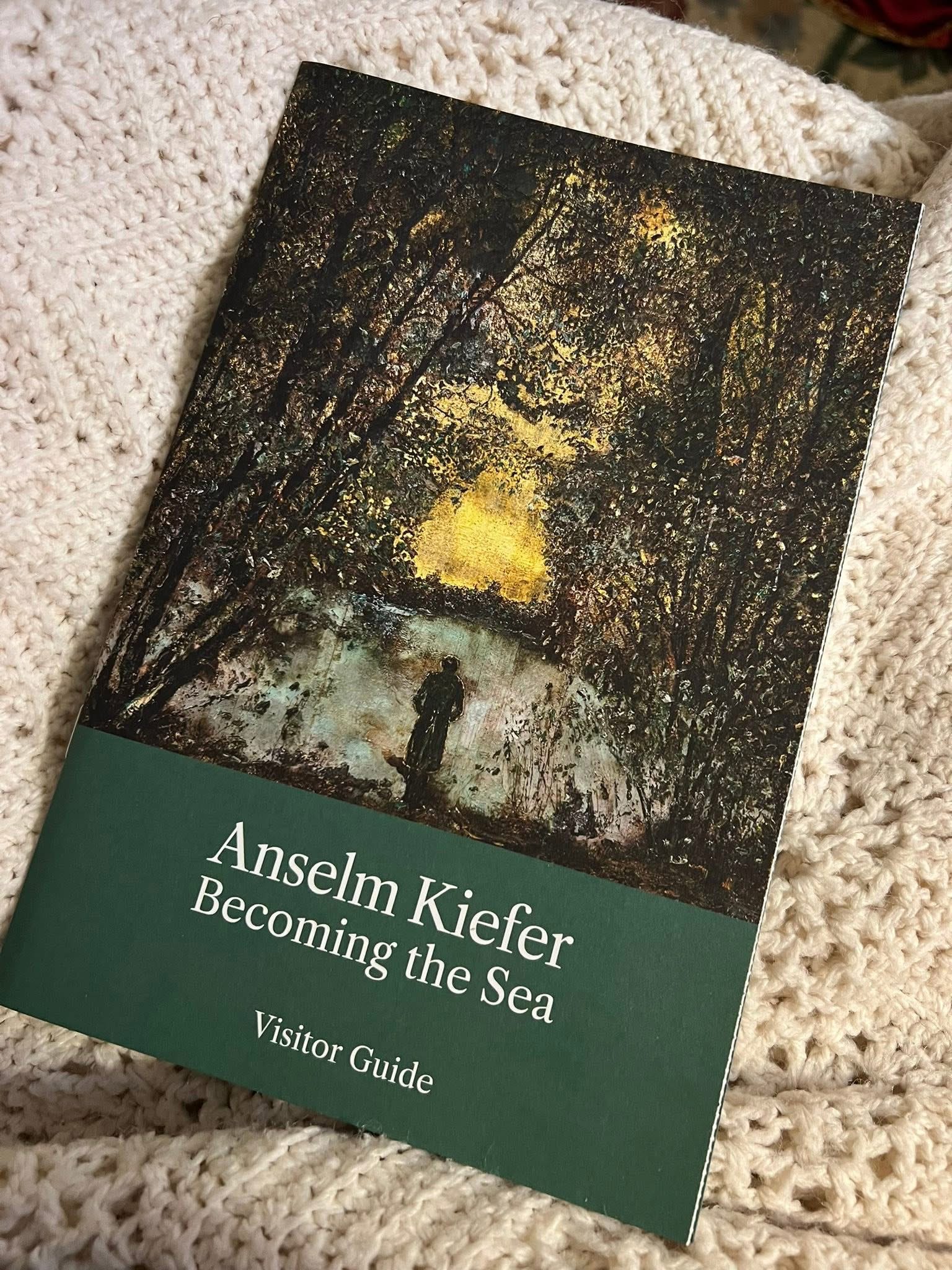
I was invited to meander with a friend through a new exhibit at my Art Museum this past week. Early January is the magic time at art museums. The streams of holiday visitors have trickled down to almost nothing. The rooms echo with your footsteps once again and that gorgeous silence descends so familiarly in each gallery as you float along happily from painting to painting.
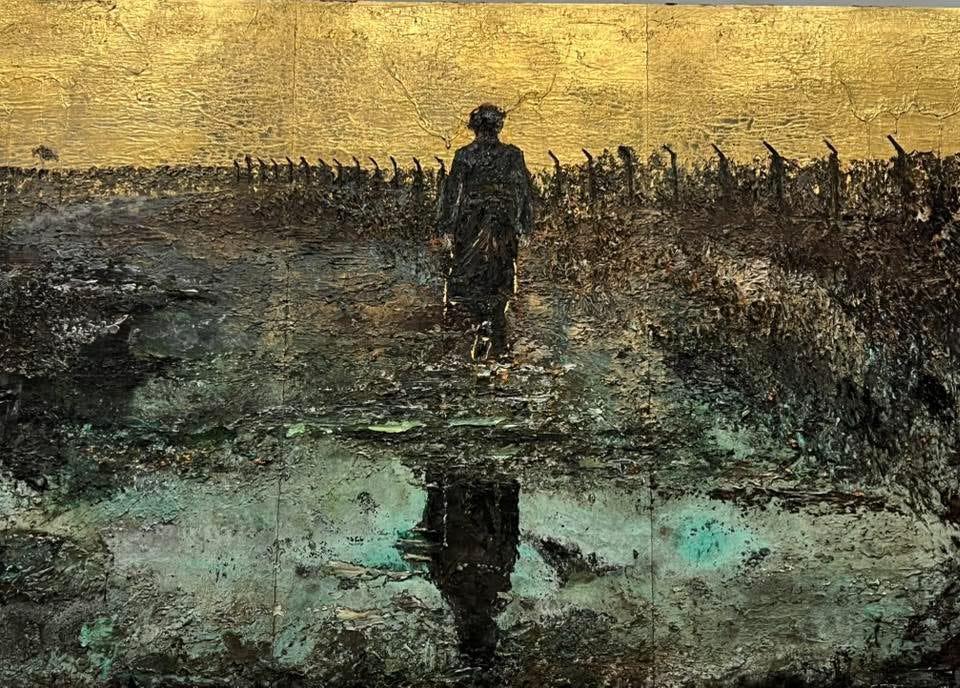
I had never heard of Anselm Kiefer, a German artist born in 1945 and who now made his home in France. He is described as having modern/abstract/ realist qualities to his work. What a flimsy description that turned out to be. As I turned a corner, I felt as though I heard the rushing of water and was staring through the eyes of a man dwarfed by the majesty of waves. The whole wall before me was shimmering with life and beauty and power. I was overwhelmed with - pathos. The pathos I had not felt for years. I was warmed and inconceivably grateful to the core for this feeling of pain, of utter loneliness, of breathless understanding. I could only say quite softly, “You too, Anselm?” He understood the water.
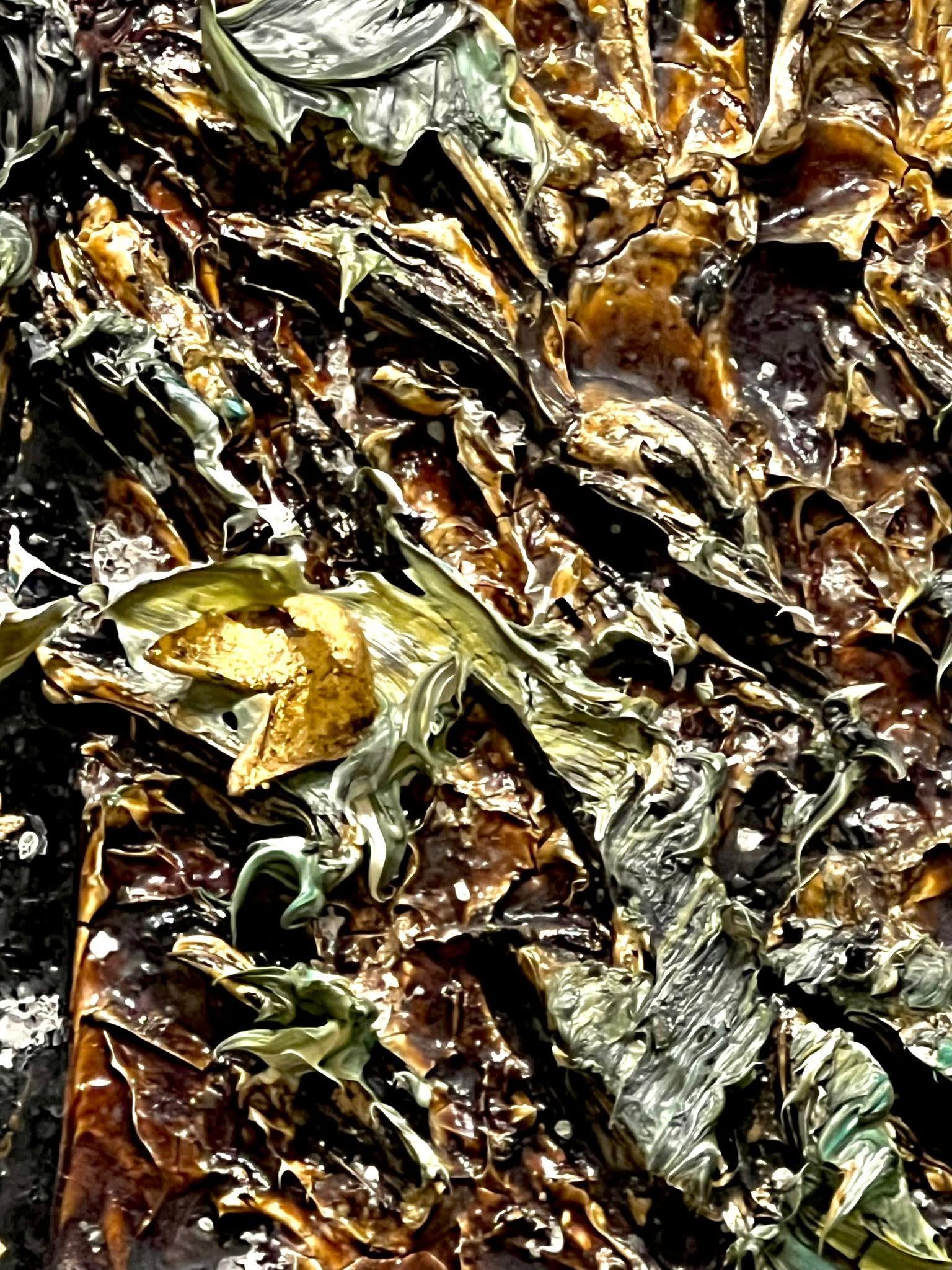
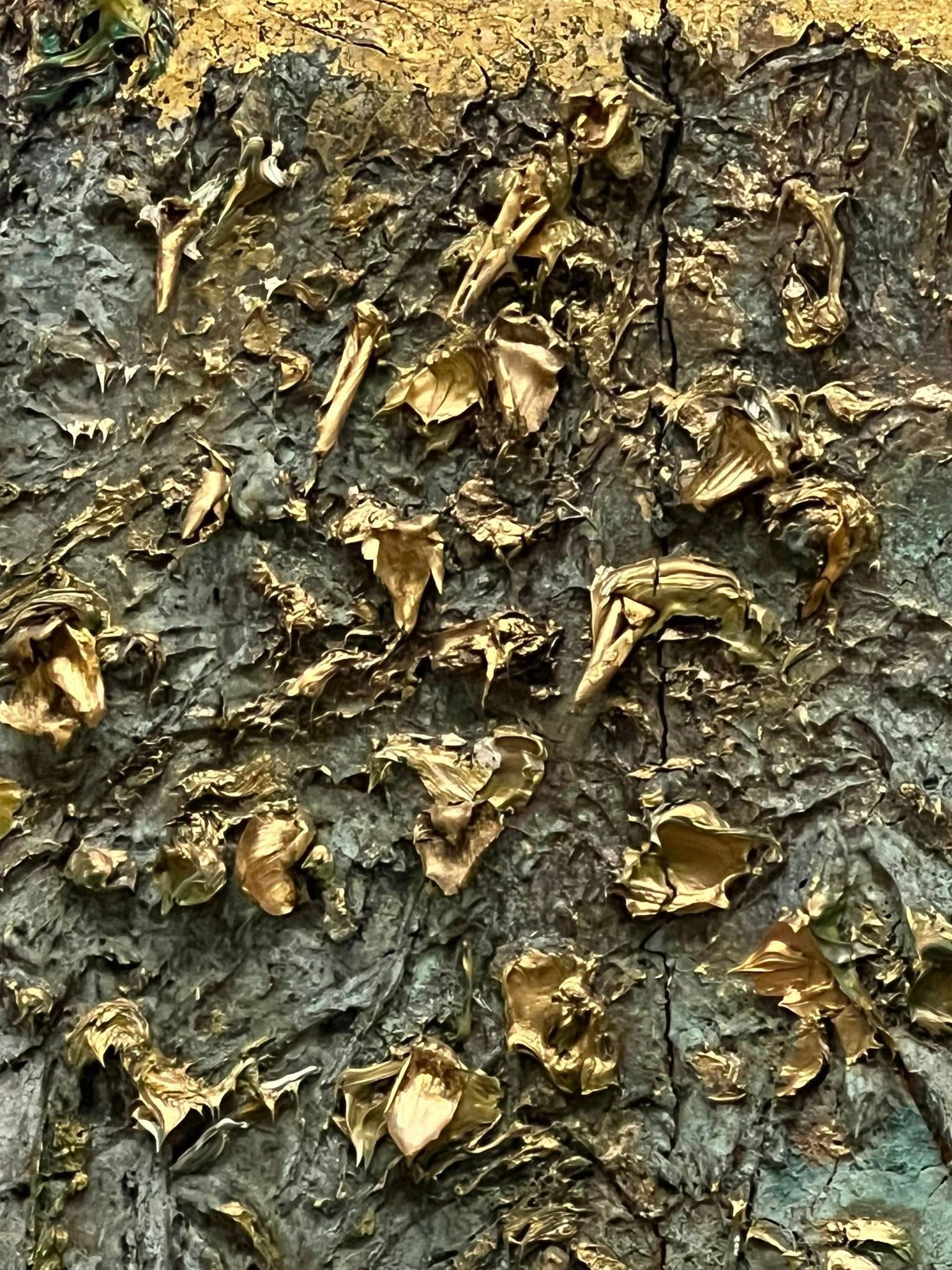
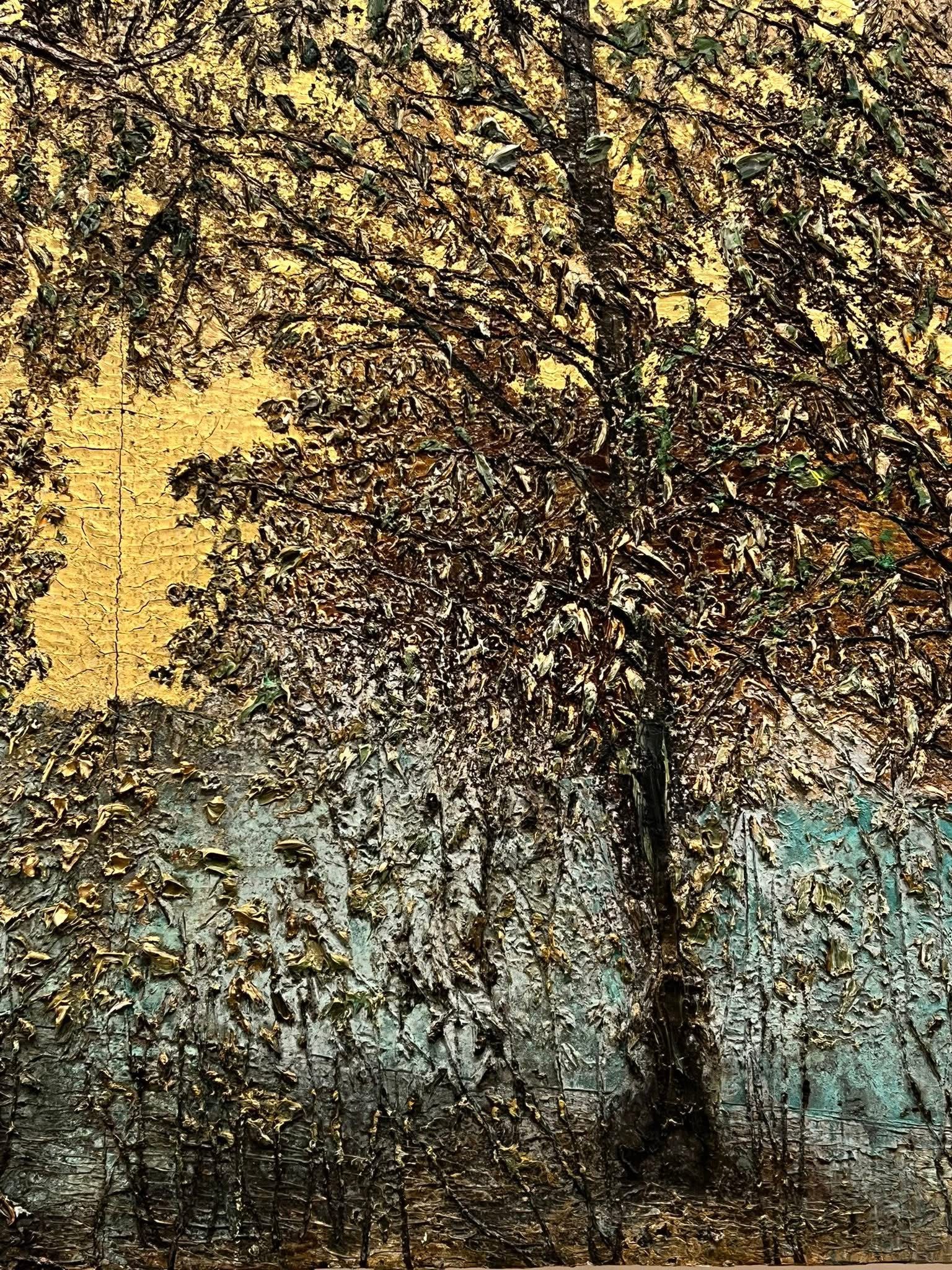
I passed by scene after scene of greens, browns, golds and bronzes floating softly on the palate. Gold leaf sunlight passed through the waves, the floating wood, the newly dropped leaves singing a last song as they seemed to skip miraculously on water. I felt myself floating with Anselm looking up at the sky and seeing my ‘head in the clouds’, of sinking just below the surface and gazing up at what fish might see. I felt his smallness before such enormous power, and his longing to let his heart break open to the pathos of rivers. In an unexplainable way, I was given the gift of a sudden Synesthesia; when one sense can be experienced by another. When somehow a person can see sound, or hear colors. For me it was the smell. The smell of my lake. In this paint, this gold leaf, this jumble of river debris painted so as to flow out of the canvas, I found my old pathos. I smelled it through sight. Anselm had given me a gift, and I never knew him until this moment. He, too, was taken with rivers. He traveled Europe for them, and even came to the U.S. to experience our own. That is what I was seeing here. A whole exhibit of water meeting man in solitude. I like to think his own artistry was born once when he was young and sitting by a river that smelled pungeant and magical. He could not have more easily and deftly read my heart. How is that possible? I don’t bother to ask that question much anymore. It is the way of God’s universe, for its Creator is all beauty calling us home through the best means at his disposal in our fallen state: pathos and longing.
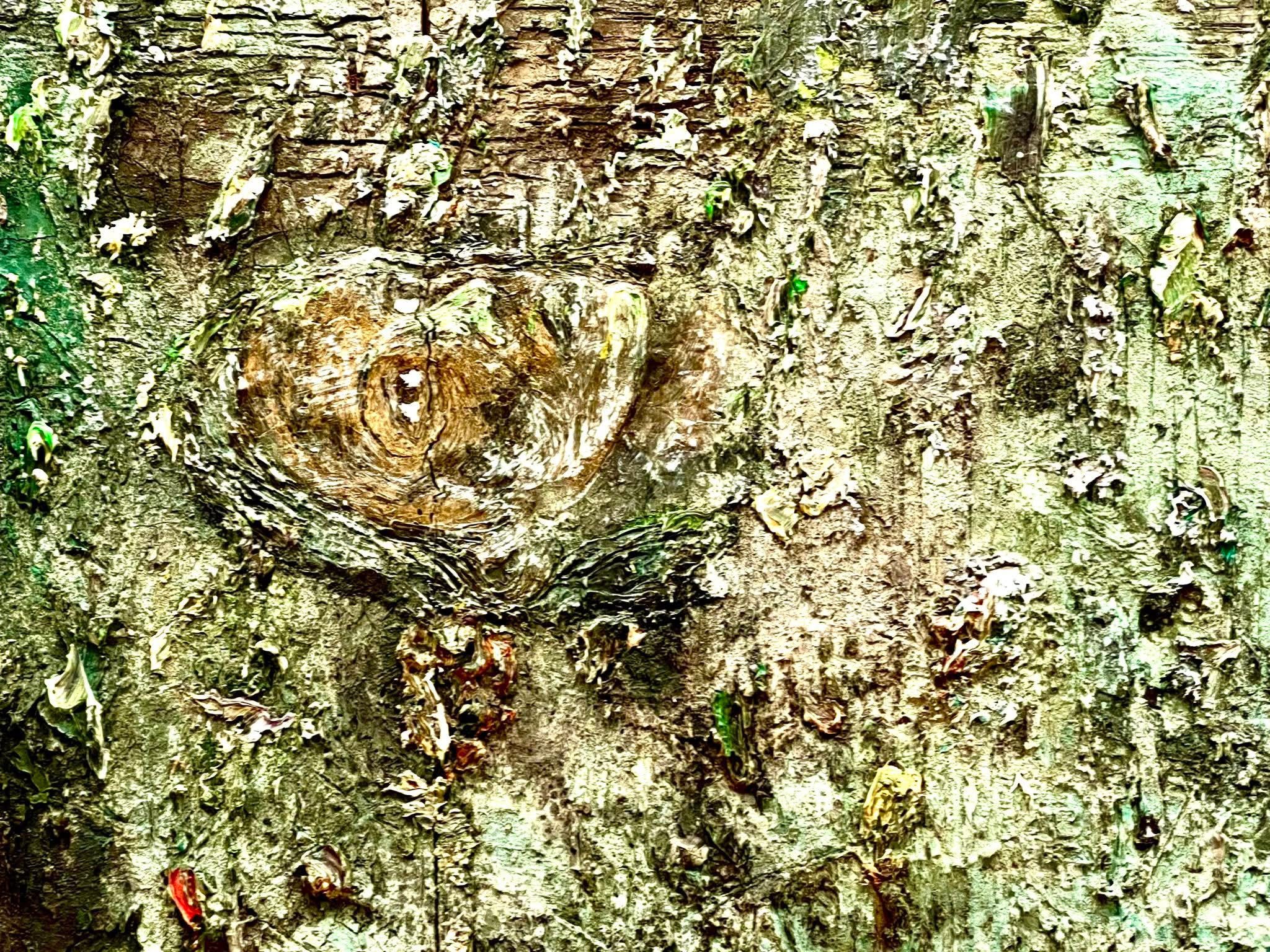
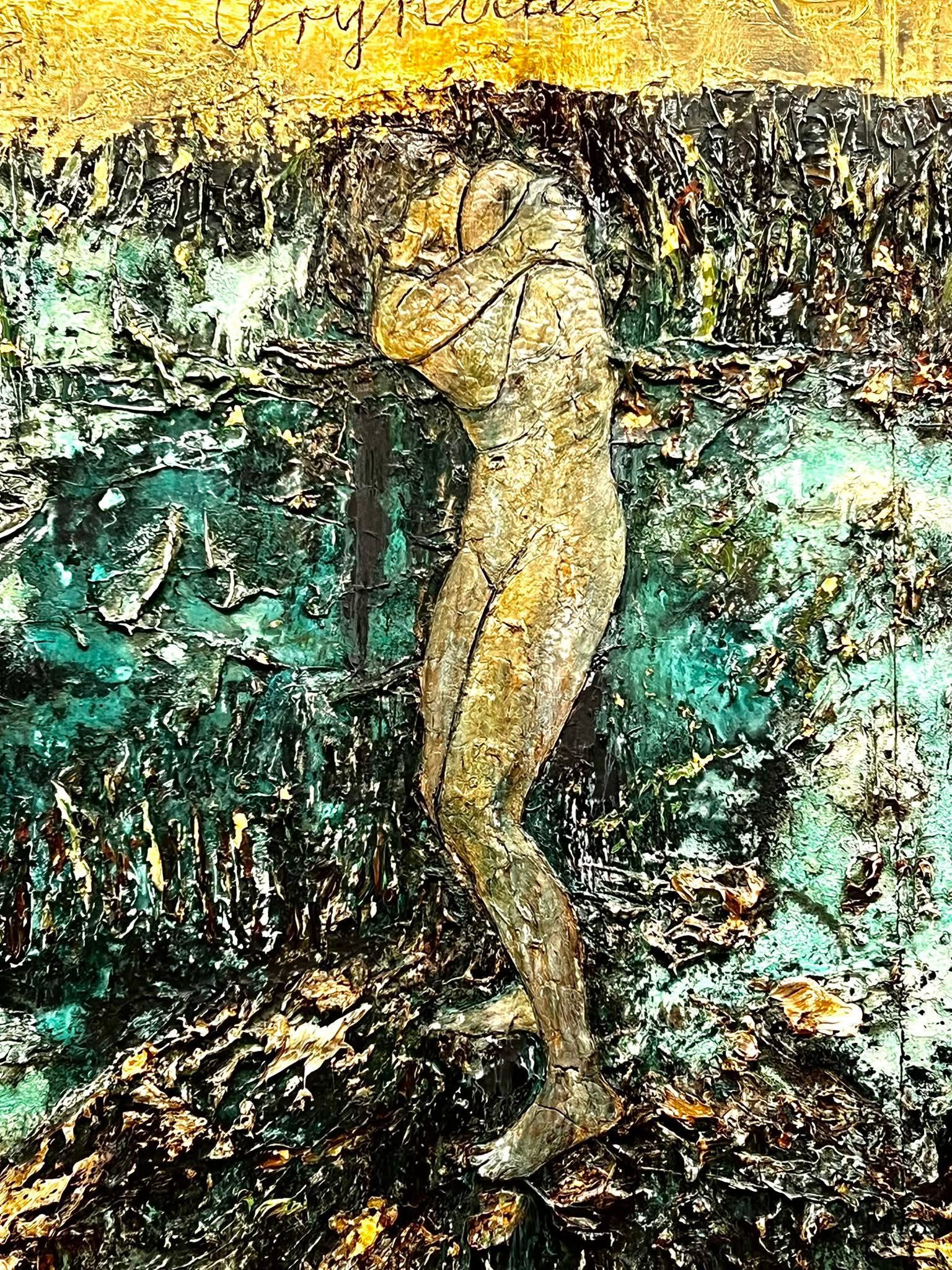
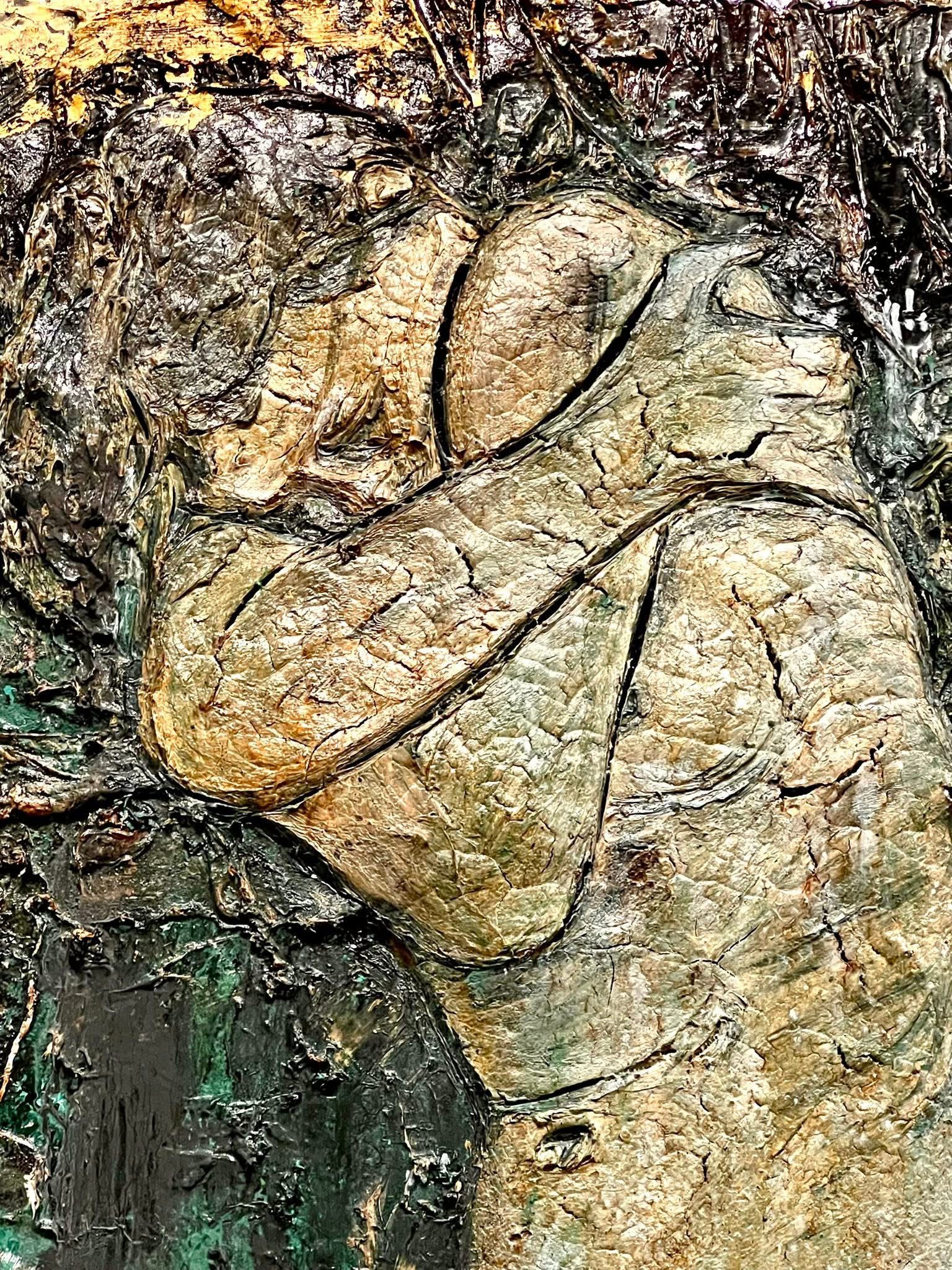
Kiefer painted with different mediums to express movement and color. In some of his creations, waves seem to gush out of the canvas. You can almost touch the golden leaves, the sticks, the rocks, the foam on water as it rises lifelike from the painting. Everything seems to be moving. You have an irresistible urge to touch the leaves and to walk right through the painting they are so lifelike. And yet they do not lose their modern form. They are both real and abstract. Surreal and yet utterly real. They carry that cache of dark German brooding in unexpected corners. A brooding that is educated to find beauty by waiting through suffering. It is a patient, meticulous sort of cache.
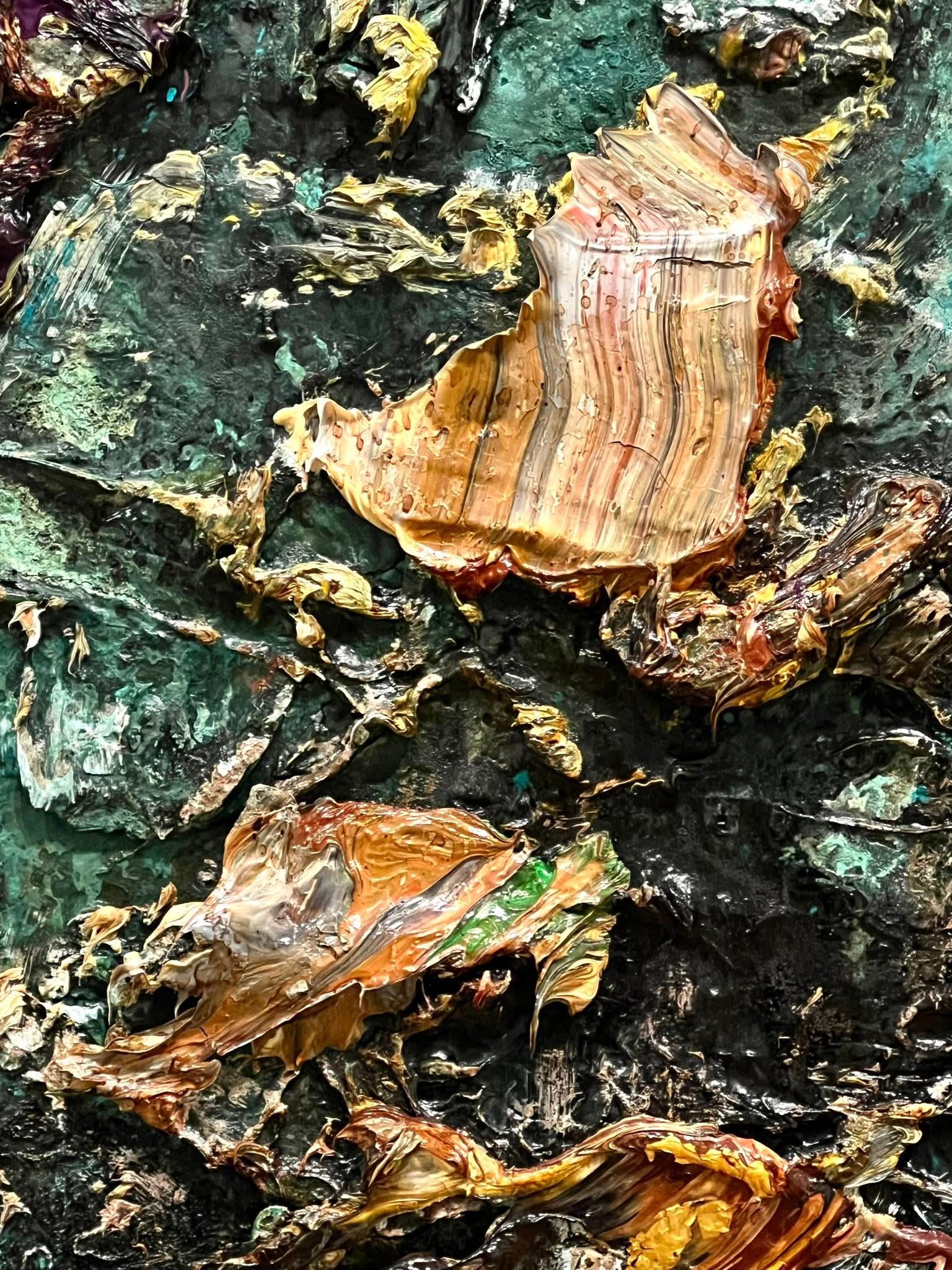
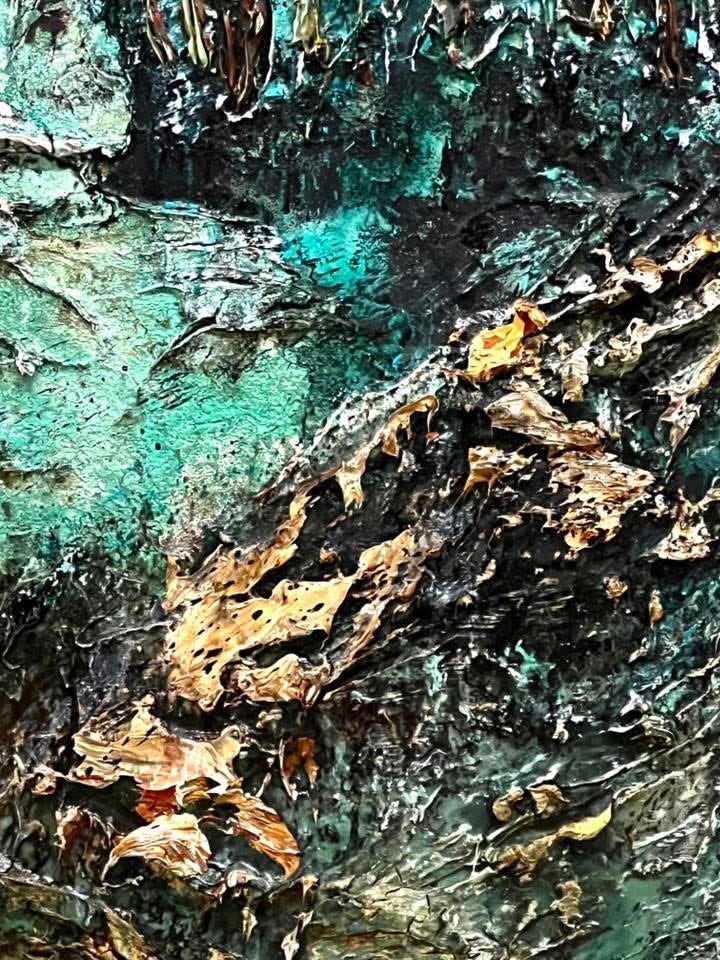
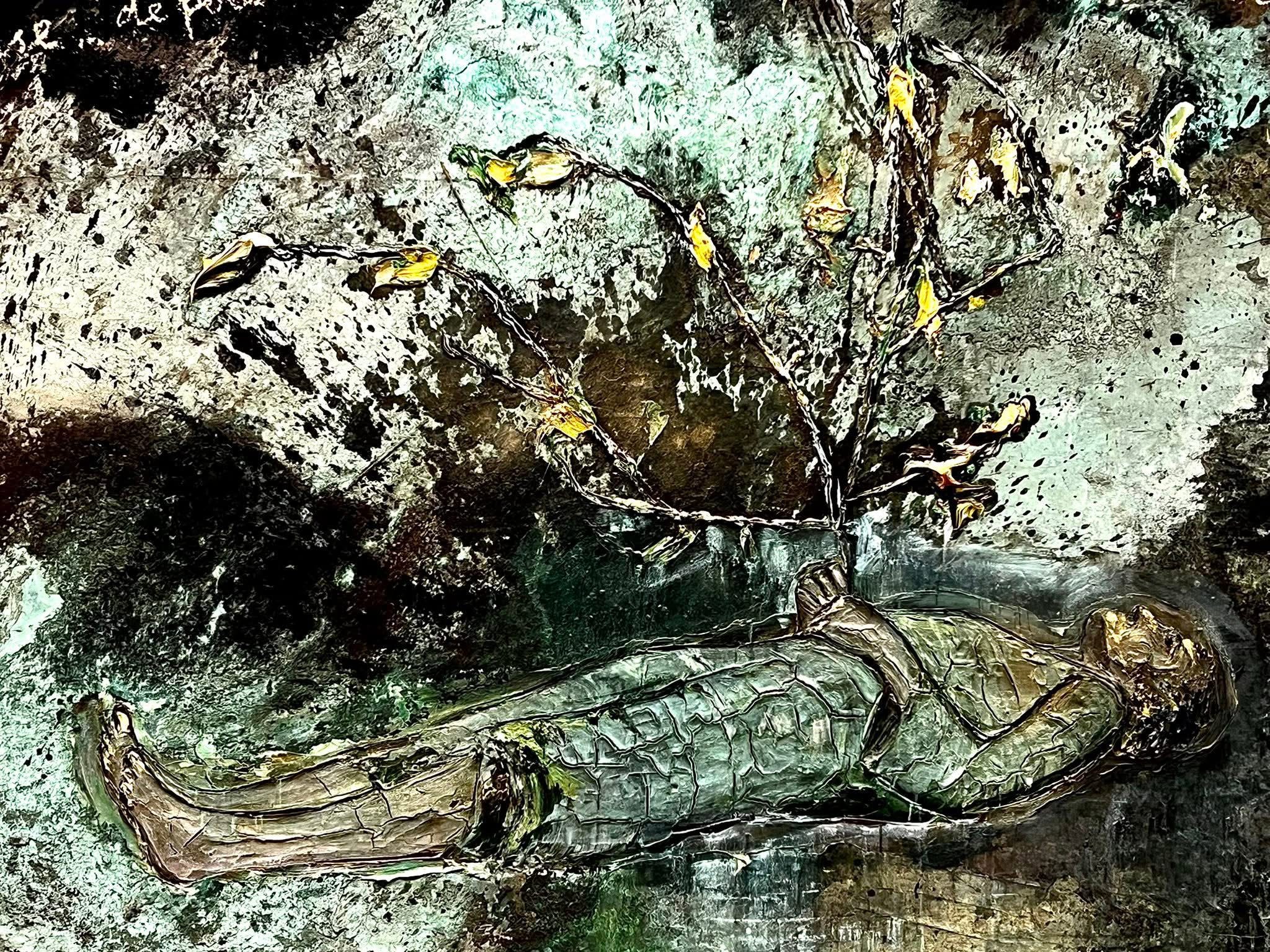
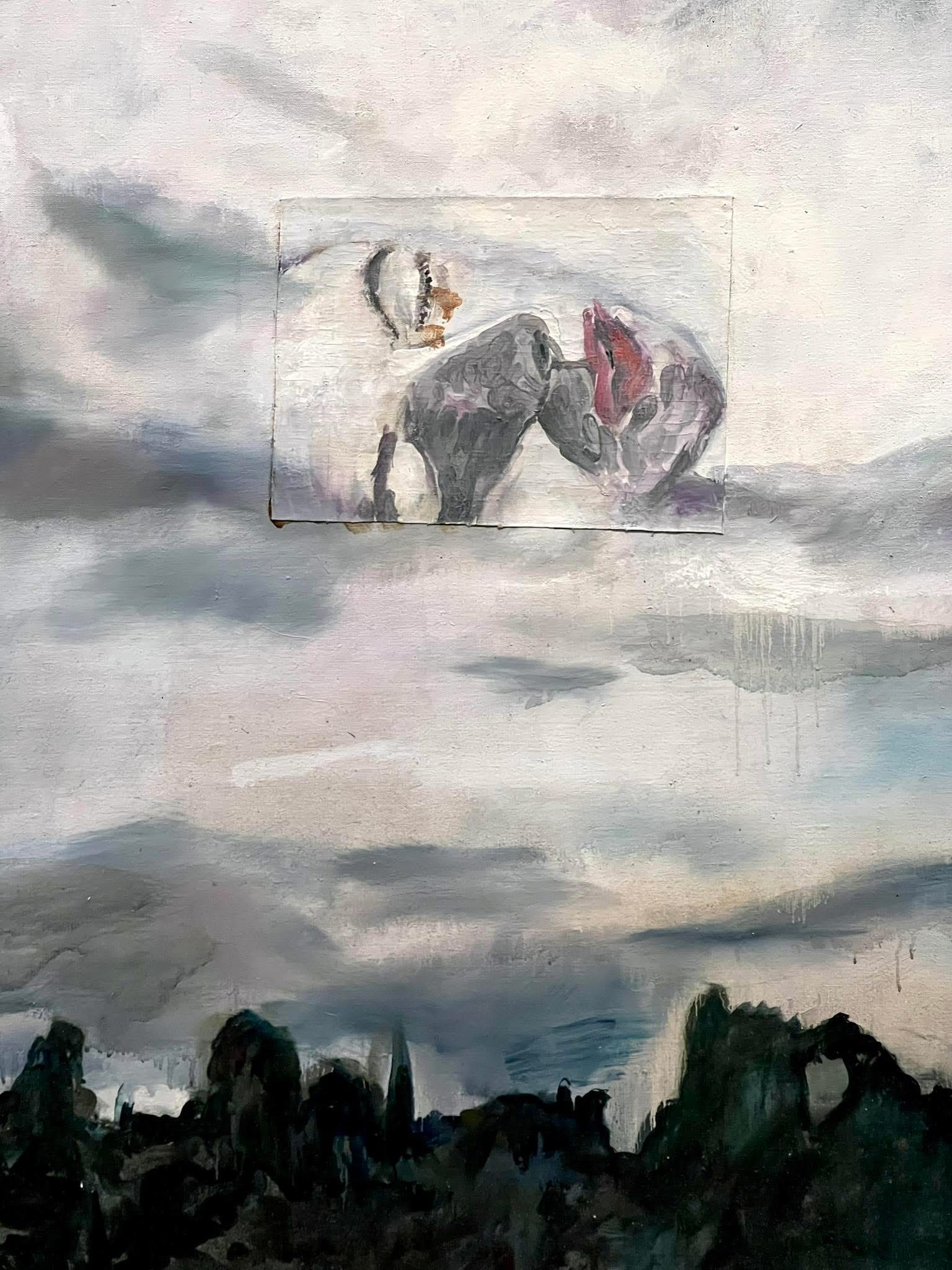
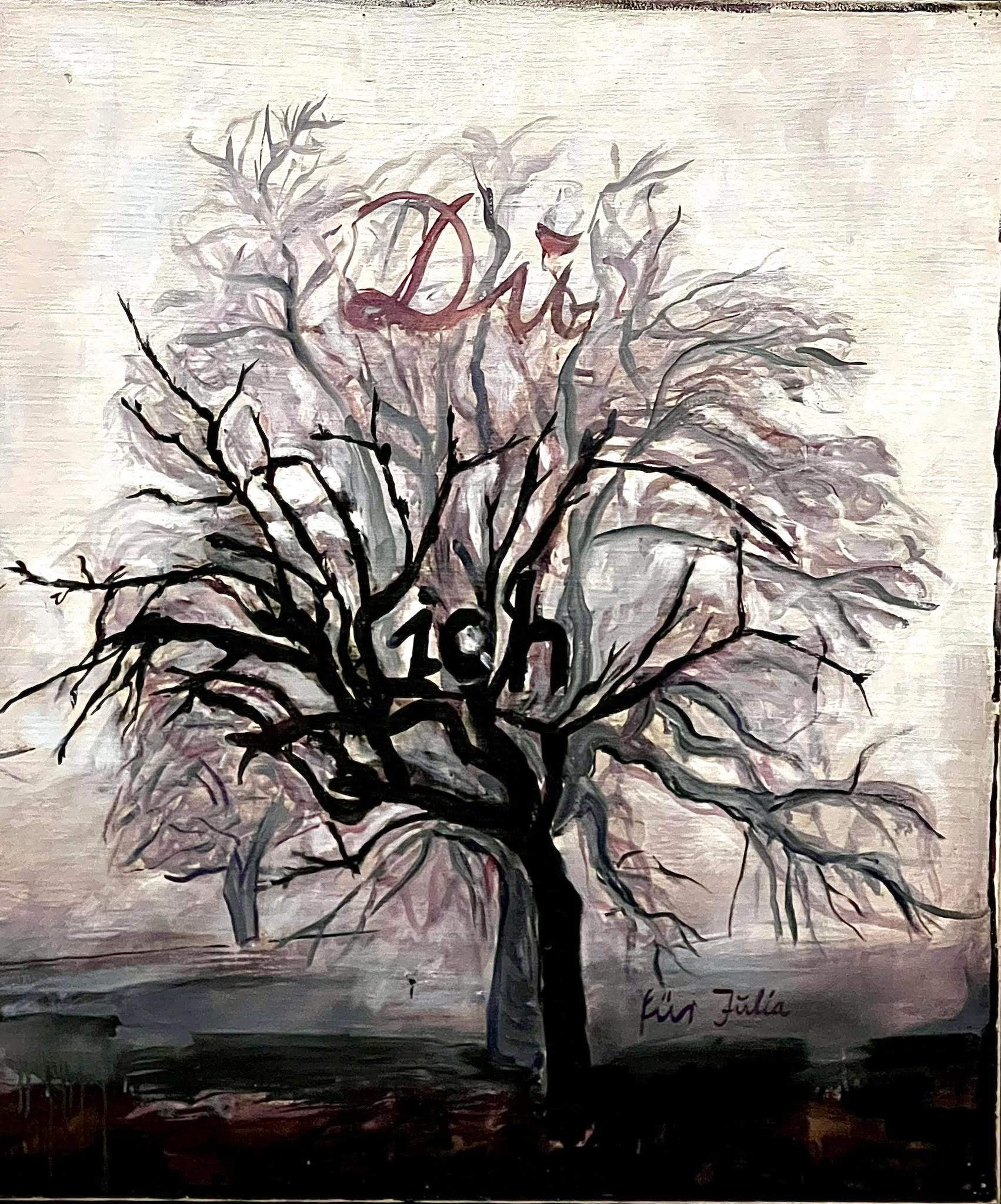
I came to a quotation on the wall, all on its own and in stark lettering. When I read it, I became a fast friend of Anselm forever.
“Poems are like buoys in the sea. You swim from one to the next; in between, without them, you are lost”. - Anselm Kiefer
Without knowing it, he defined to me the power of my childhood pathos. It is a buoy in the sea. It reaches out to me in song, in poetry, in paintings of rivers. It keeps me from getting lost, just when I wonder if it has left me forever. It is the scent of a distant land. Anselm takes me there. It is the way we can feel the wonder of childhood in our old and weary bones that mysteriously “dream dreams” once more.
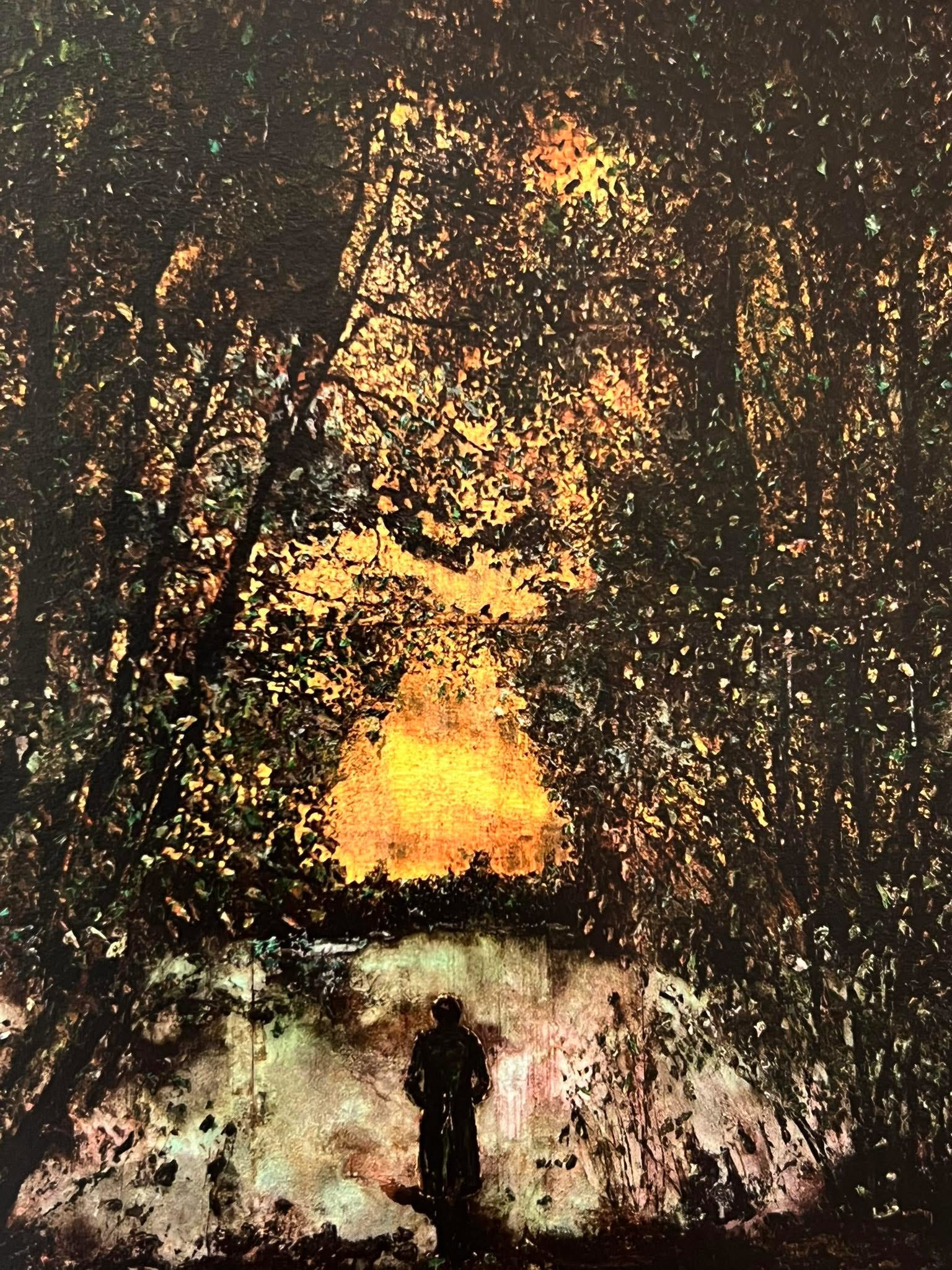
What a surprise. What beauty waited for me unsolicited in the quiet, almost empty walls of a January art museum. It was like that early morning by the lake, where a ten year old looked up and saw the sun dancing like gold leaf on the waves and the scent of a far off land rising from leaves floating rhythmically in water. And knew then that she must write.
I am grateful for art.
I do not feel inclined at this time to have a paid substack. But if we were together in a cafe discussing all these thoughts, I would not be opposed to you buying me a cup of coffee - with cream, of course. In that spirit, if any of my posts resonate with you and you feel so inclined, you can donate here: buymeacoffee.com/denise_trull
“One should always try to remember her first pathos - no matter how fleeting.”
That line speaks right to the bottom of my heart. Thank you, Denise.
imagine a mother today allowing their child to "wandered alone" like we used to when we were young.
Visiting a museum alone would be similar
so glad you enjoyed your time doing these things